
Paid Nail Technician Training for Beginners: Can You Really Learn and Earn at the Same Time? 💅
Are you interested in becoming a nail technician but unsure whether this path truly suits you?
This is exactly why paid nail technician training for beginners has gained attention. Unlike classroom-only learning, these programs place entry-level nail technicians directly into real nail salon environments. Through observation, hands-on practice, and gradual skill development, trainees build confidence while earning income at the same time.
Why Paid Nail Training Is More Attractive to Beginners
For most beginners, the real obstacle is not a lack of interest, but uncertainty. Beginner nail training programs help reduce this uncertainty by offering:
- Exposure to real nail salon training environments from the first day
- Skill training under supervision through professional nail courses
- Accumulation of required hours for nail technician licensing
- Income during training, reducing financial pressure
This model allows trainees to evaluate whether the nail technician career path truly suits them while learning.
How Income Is Typically Structured During Training
“Learning while earning” is one of the most discussed aspects of paid nail training programs. In the U.S. market, nail technicians usually earn income through a combination of hourly pay, commissions, and tips. Industry data shows that base hourly wages typically range between $22–25, depending on location and salon type.
Income levels during training may vary, but this structure helps beginners cover living expenses while developing hands-on nail technician skills.
Core Skills Developed During Training
Training focuses on skills commonly used in daily salon work, including:
- Nail anatomy, hygiene, and sanitation standards taught in professional nail courses
- Basic and advanced manicure and pedicure techniques
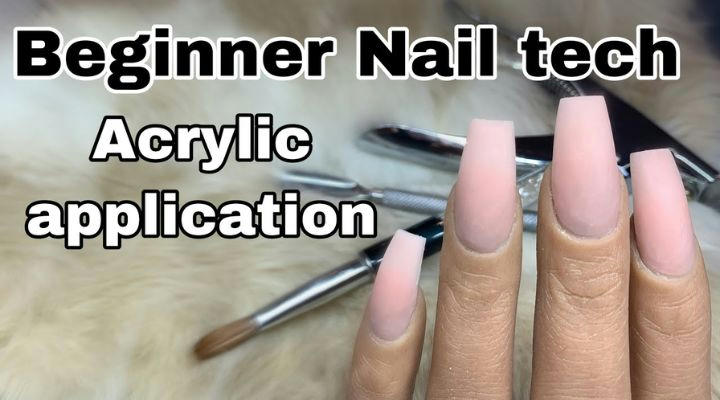
- Acrylic, gel, dip powder, and curing systems
- Trend-focused nail art techniques
- Client communication and service workflow for salon-based nail technicians
Learning in real service environments helps ensure a smoother transition into full-time nail technician roles.
What Else Can Be Learned Beyond Technical Skills?
Paid training also introduces trainees to salon operations, such as:
- Appointment scheduling and client flow in real salon settings
- Hygiene inspections and compliance requirements
- Additional service sales and client retention strategies
- Problem-solving in real working situations
These experiences often help beginners determine whether working as a nail technician matches their expectations.
Preparing for Nail Technician Licensing
Through paid nail technician training, trainees can:
- Repeatedly practice procedures according to state nail licensing regulations
- Strengthen hygiene and safety standards required for exams
- Become familiar with nail technician exam structures
- Prepare compliant exam kits through hands-on practice
Integrating exam preparation into daily training often helps reduce psychological pressure.
Frequently Asked Questions (FAQ)
1. Can complete beginners participate in nail training programs?
Yes. This model is designed specifically for individuals with no prior experience, emphasizing gradual skill development through beginner nail technician training.
2. Does paid nail training really reduce financial risk?
Earning income during training helps reduce the financial burden commonly associated with traditional nail school programs.
3. Does it help with nail technician licensing preparation?
Training content is usually aligned with licensing requirements, allowing skills and required hours to be accumulated simultaneously through salon-based nail courses.
4. How is this different from traditional nail schools?
The key difference is real salon exposure, allowing trainees to evaluate the profession realistically before making a commitment.
Is This Model Right for You?
Paid nail technician training for beginners is not a shortcut, but a low-risk, practical entry into the profession. It allows beginners to earn income while learning and to assess career fit in a real working environment. For those seeking a steady and informed path into the professional nail industry, this can be a practical first step.